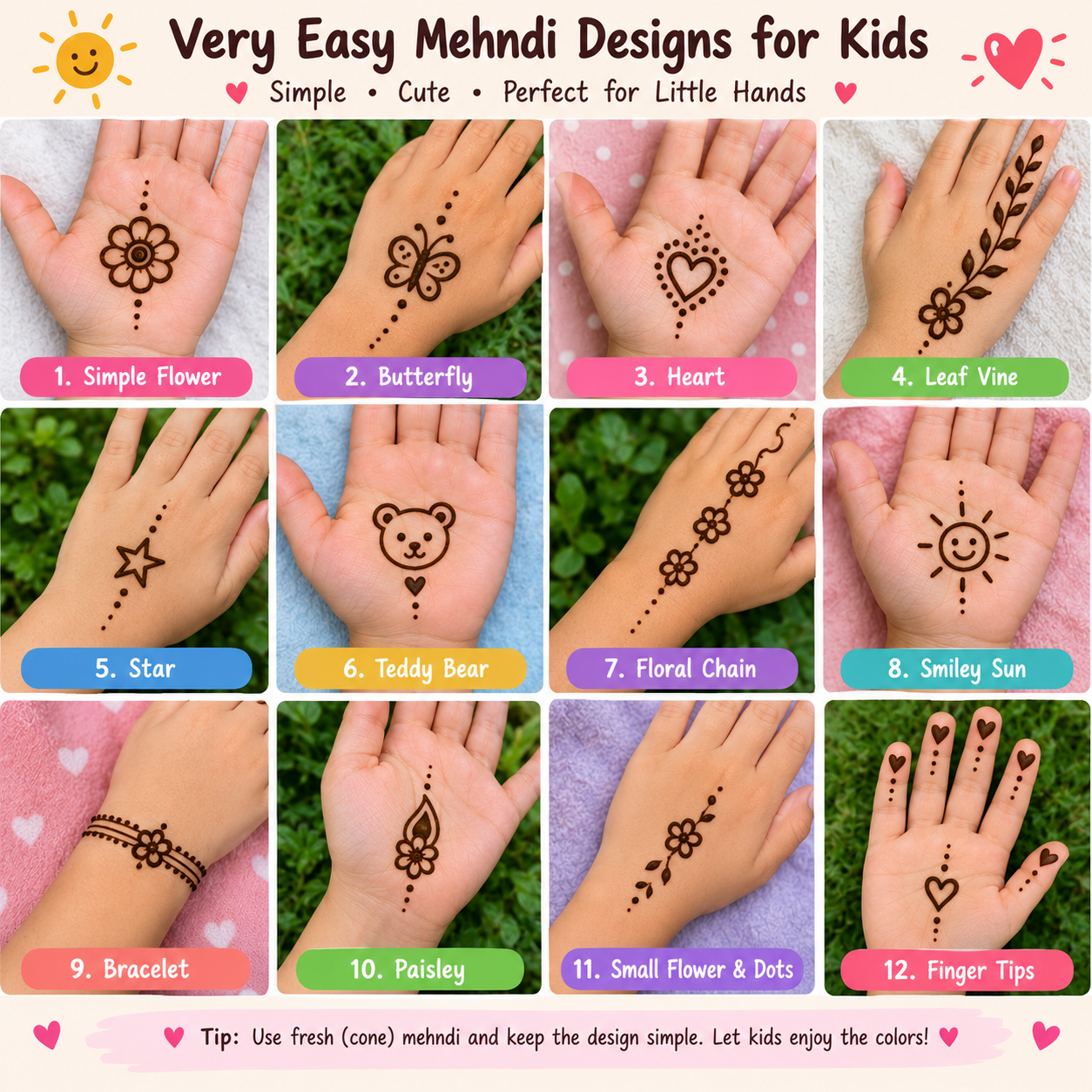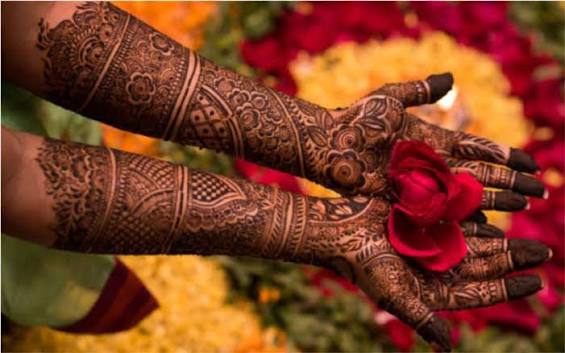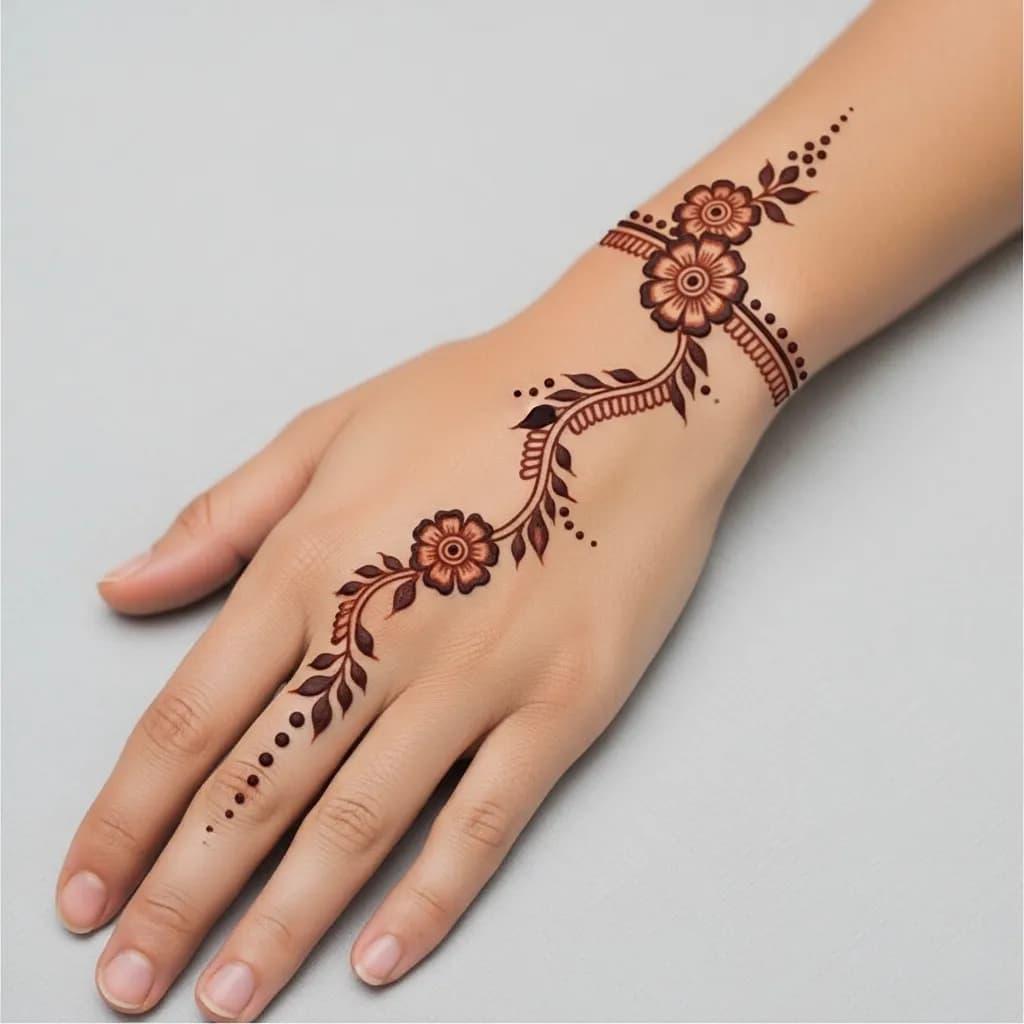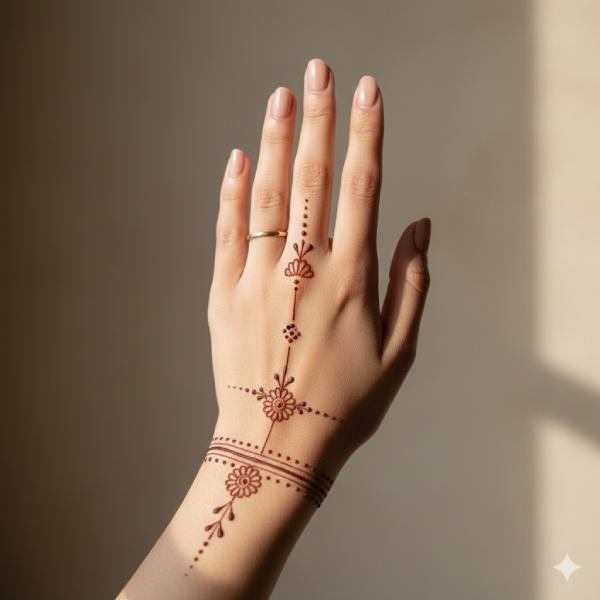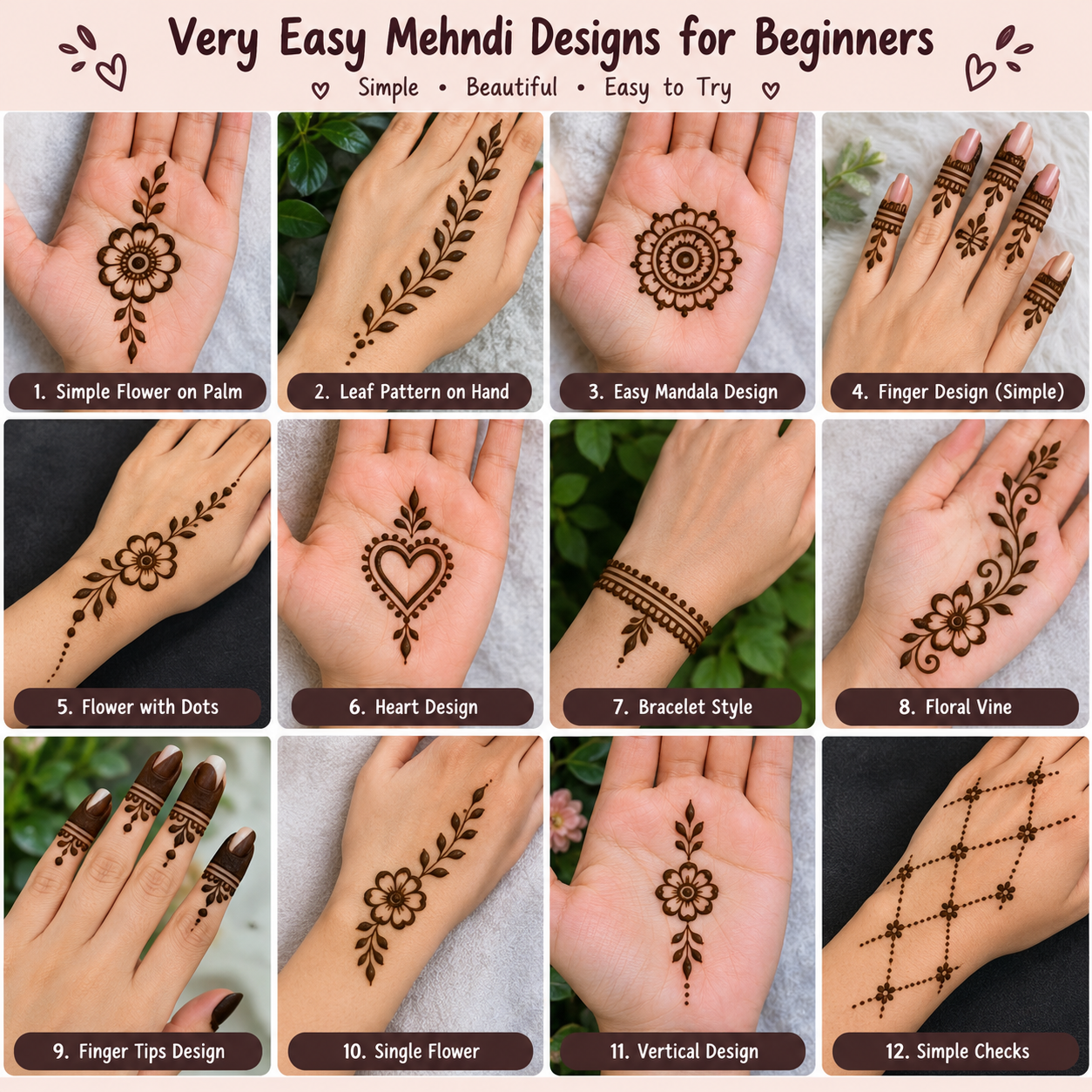

Very Easy Mehndi Designs for Beginners
Every mehndi beginner should start with the same three things: a pre-filled cone (not a from-scratch paste mix), paper practice before skin, and a design built from just dots and simple curves rather than anything with fine, connected detail. Here's a complete starting point if you're genuinely new to this.
[IMAGE PLACEHOLDER: beginner's mehndi practice setup — cone, paper, and a simple finished design]
What Every Beginner Should Know Before Starting
Mehndi looks intricate in finished photos, but almost every design — however elaborate it appears — is built from a small handful of basic elements repeated and combined: dots, curves, teardrop leaves, simple spirals. Understanding this from the start reframes the whole learning process from "I need to master something complex" to "I need to get comfortable with a few basic building blocks," which is a far more achievable goal for a genuine first attempt.
Choosing Your First Design
Resist the temptation to attempt something you've seen and admired online for your actual first try. Choose instead based on what's genuinely achievable — a single flower motif made of dots and simple petal shapes, applied to one clear area like the back of the hand. Save the design you're excited about for once you've built some real cone control through a few simpler attempts first.
Essential Tools for a Beginner
A pre-filled henna cone: Skip mixing your own paste at first — a ready-made cone removes one major variable while you're still learning application technique.
Plain paper for practice: Cheap, forgiving, and lets you build muscle memory before committing to skin.
Tissue or a damp cloth: For cleaning the cone tip and correcting small errors while paste is still wet.
A reference design, printed or sketched: Something to glance at rather than relying purely on memory mid-application.
A Realistic First Practice Session
Set aside a genuinely quiet, unhurried block of time for your first attempt — not five minutes squeezed between other tasks. Start entirely on paper: draw dots, then curves, then a simple combined flower shape, repeating each element several times before moving to the next. Only once this feels reasonably comfortable should you consider trying anything on skin.
Step-by-Step for a True First Attempt
Warm up with dots and lines on paper. Ten minutes of this alone makes a real difference to your control.
Choose one small area on your hand — a single finger or a spot on the back of the hand. Don't attempt a full-hand design as your genuine first try.
Draw a simple dot-centre flower, exactly as you practised on paper. Keep it to this one motif rather than adding more elements.
Let it dry undisturbed. Resist checking or touching it every few minutes.
Assess honestly once it's dry. Note what felt hard, and practice that specific element again on paper before your next attempt.
How to Judge Your Own Progress
Don't compare your first attempt to a professional artist's decades of practice — compare it instead to your own attempt from a week earlier. Genuine progress in mehndi looks like steadily improving line consistency and confidence, not sudden mastery. Most people notice a real, visible improvement within just a handful of practice sessions.
When You're Ready to Try Something Harder
Once a simple flower-and-dot motif feels genuinely comfortable and consistent, you're ready to explore connecting motifs with vines, adding a second element to a design, or trying a slightly bolder Arabic-style pattern. There's no fixed timeline for this — let your own comfort with the basics guide when you move forward, rather than a set number of days or attempts.
Realistic Expectations for a First Attempt
A first mehndi attempt is very unlikely to look like a professional's work, and that's genuinely fine — the goal of a first attempt is learning cone control and basic composition, not producing a portfolio-ready design. Many beginners get discouraged by comparing their first try to years of someone else's practice, which is an unfair comparison from the start.
Building a Simple Practice Routine
Rather than one long, exhausting practice session, short, regular sessions — fifteen minutes every couple of days — tend to build real skill more effectively for most beginners. Consistency matters more than duration here; a few minutes of focused dot-and-curve practice repeated across a week generally produces steadier hands than a single marathon session followed by weeks of no practice at all.
What Changes Once You've Done a Few Designs
After even four or five completed attempts, most beginners notice a genuine shift — cone pressure starts to feel automatic rather than something to consciously think about, and basic motifs come together faster without needing to plan each stroke in advance. This is usually the point where it's worth revisiting a slightly more ambitious design you set aside earlier, since the foundational skills are now genuinely in place to support it.
Find Mehndi Artists on WeddingBuzz
If you'd rather have a guaranteed result for an actual event while you're still building your own skills, WeddingBuzz features mehndi artists who can handle the occasion professionally.
Learning From Watching Others
Watching an experienced artist work in person or in a slow video, paying attention specifically to their cone angle and pace rather than just the finished result, teaches details that are hard to pick up from a static photo alone. Many beginners find that a few minutes of focused observation clarifies a technique that written instructions alone struggled to fully convey.
Frequently Asked Questions
What does a complete beginner actually need to get started?
A pre-filled cone, some plain paper for practice, and a simple design plan built from dots and basic curves — nothing more elaborate is needed to begin.
What's the best first design to attempt?
A single small flower made of dots and simple petal shapes, applied to one clear area, gives beginners the best chance of a satisfying first result.
How many attempts before a design looks genuinely good?
It varies by person, but most beginners notice real, visible improvement within a handful of practice sessions spread across a few days.
Do I need natural artistic talent to learn this?
Not particularly — mehndi relies more on steady, practised cone control than freehand drawing talent, which is why paper practice matters so much for building that specific skill.
Conclusion
Start small, practice on paper first, and judge your progress against your own earlier attempts rather than a professional's finished work — that mindset alone makes the learning process far less discouraging than most beginners expect.
Prefer to skip the learning curve for your event? Browse Vendors on WeddingBuzz | Call: +91 73100 30003